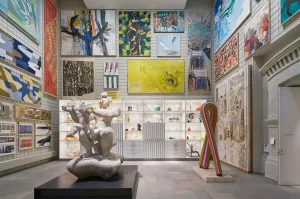
Local recipes serve as a bridge between cultural art attractions and travelers seeking authentic experiences. These culinary offerings enrich visitors’ understanding of a region’s history and traditions, transforming passive observation into active participation. By integrating local cuisine, attractions not only foster community connections but also enhance their appeal. As the intersection of art and food continues to evolve, one must consider how these flavors could redefine the journey of exploration in unexpected ways.
Key Takeaways
- Local recipes create immersive experiences that attract travelers seeking authentic cultural connections beyond mere observation.
- Culinary workshops and hands-on cooking classes engage visitors, enhancing their interaction with local traditions and fostering memorable experiences.
- Traditional dishes serve as powerful marketing tools, deepening travelers’ emotional ties to cultural attractions through shared culinary heritage.
- Pop-up dining experiences linked to art themes offer unique culinary adventures, drawing food enthusiasts to cultural events.
- Sustainable practices in local cuisine promote community engagement and attract eco-conscious travelers interested in authentic, locally sourced experiences.
The Intersection of Culinary Heritage and Cultural Art Attractions
At the crossroads of culinary heritage and cultural art attractions lies a rich tapestry that weaves together flavors, traditions, and artistic expressions. Each dish tells a story, reflecting the history of a place and its people, inviting visitors to partake in a journey that transcends mere sightseeing. The vibrant markets and local eateries become extensions of cultural art attraction, where food serves as both a medium of connection and a canvas of creativity. Travelers find themselves not just observers but participants, engaging with the essence of a community through its culinary delights. This intersection fosters a sense of belonging, as shared meals and local recipes create bonds, enriching the visitor experience and deepening appreciation for the cultural art attraction that define a region.
How Local Recipes Enhance Visitor Experience at Cultural Art Attractions
By weaving culinary traditions into the fabric of these spaces, they create an immersive journey that transcends mere observation. Visitors savoring authentic dishes connect with the culture on a deeper level, engaging their senses and igniting conversations about heritage and artistry. Each bite becomes a narrative, offering insight into local customs and histories that enrich the overall experience. Additionally, shared meals foster a sense of community among travelers, encouraging them to bond over flavors and stories. This blend of gastronomy and artistry invites a more profound appreciation for the cultural art attractions, making visits not just memorable but deeply fulfilling and resonant.
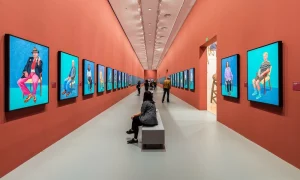
Using Local Cuisine as a Marketing Strategy for Cultural Art Attractions
While many travelers seek visual splendor in cultural art attractions, the integration of local cuisine can serve as a compelling marketing strategy that enhances overall appeal. By showcasing traditional dishes, these attractions create a deeper connection to the culture they represent, inviting visitors to indulge in flavors that tell stories of heritage and community. Culinary experiences can transform a mere visit into an immersive journey, fostering a sense of belonging among travelers enthusiastic to explore local identities. Collaborations with local chefs and food artisans further enrich this strategy, offering unique tasting events that complement the artistic experience. Ultimately, leveraging local cuisine not only attracts more visitors but also cultivates a vibrant dialogue between art, culture, and community, enriching the traveler’s experience.
Case Studies: Local Recipes Transforming Cultural Art Attractions
Local recipes have increasingly become a transformative force within cultural art attractions, creating enriching experiences that resonate deeply with visitors. These culinary offerings not only highlight local heritage but also foster a sense of community among travelers.
- Culinary Workshops: Engaging visitors in hands-on cooking classes that celebrate regional flavors.
- Artisan Food Markets: Showcasing local producers and their crafts, enhancing the cultural ambiance.
- Recipe Exhibitions: Displaying traditional recipes alongside art, merging culinary and visual experiences.
- Pop-Up Restaurants: Offering unique dining experiences inspired by local art themes.
- Cultural Festivals: Celebrating food and art through festivals that unite diverse communities.
These initiatives illustrate how local recipes can deepen travelers’ connections to art cultural attractions, transforming mere visits into memorable experiences.
What’s Next for Local Cuisine in Cultural Art Attractions?
As travelers increasingly seek authentic experiences, cultural art attractions are poised to elevate local culinary offerings. By integrating regional dishes into their programming, these venues can foster deeper connections between visitors and the communities they explore. Collaborative events featuring local chefs and artists may become commonplace, creating a vibrant tapestry of cultural exchange. Additionally, culinary workshops could engage visitors, allowing them to learn traditional cooking techniques and the stories behind the recipes. As sustainable practices gain traction, cultural art attraction may prioritize locally sourced ingredients, further enriching visitor experiences while supporting local economies. In this evolving landscape, local cuisine emerges not merely as sustenance but as an essential thread weaving together culture, community, and creativity.
Frequently Asked Questions
How Can Travelers Find Local Recipes Near Cultural Art Attractions?
Travelers can discover local recipes near cultural art attractions by exploring nearby markets, joining cooking classes, or engaging with local chefs. These experiences foster connections, allowing them to savor authentic flavors while deepening their cultural appreciation.
Are There Cooking Classes Associated With Cultural Art Attractions?
Yes, many cultural art attractions offer cooking classes that immerse participants in local culinary traditions. These experiences create a deeper connection to the culture, enhancing travelers’ understanding and appreciation of the art and heritage surrounding them.
What Role Do Locals Play in Promoting Cultural Art Attractions?
Locals serve as crucial ambassadors for cultural art attraction, sharing authentic narratives and experiences that resonate emotionally. Their insights foster deeper connections, inviting travelers to explore the rich tapestry of culture infused within each artistic venue.
How Do Seasonal Ingredients Impact Local Recipes at These Attractions?
Seasonal ingredients enrich local recipes, reflecting the region’s unique flavors and traditions. This culinary authenticity captivates visitors, enhancing their experience at art cultural attractions and fostering a deeper connection to the local culture and community.
Can Local Recipes Influence the Preservation of Cultural Art Heritage?
Local recipes can greatly influence the preservation of cultural art heritage by fostering community pride, encouraging traditional practices, and attracting visitors. This synergy enriches the cultural narrative, connecting people to their heritage through authentic culinary experiences.
Conclusion
Incorporating local recipes into cultural art attractions not only enriches the visitor experience but also forges a deeper connection to the community’s heritage. This culinary integration transforms ordinary visits into immersive journeys, inviting travelers to savor the essence of local culture. As attractions continue to embrace this multisensory approach, they not only enhance their appeal but also foster a greater appreciation for the intertwined narratives of art and cuisine, paving the way for future explorations and connections.
You May Also Like to Read: