The increasing demand for sustainable practices in food photography has led to a notable shift towards the use of recycled paper napkins. These eco-friendly alternatives reduce the reliance on virgin materials and play a significant role in minimizing waste. By embracing recycled napkins, photographers not only enhance their visual storytelling but also align with the growing movement toward environmental responsibility. This approach raises compelling questions about its broader implications for the industry. What changes could this inspire?
Key Takeaways
- Recycled paper napkins reduce demand for virgin materials, minimizing deforestation and habitat destruction.
- Utilizing recycled materials contributes to a circular economy, promoting sustainability in food photography.
- Their unique textures and organic designs enhance visual appeal while showcasing eco-conscious values.
- Using recycled napkins can lower waste disposal costs, leading to long-term financial benefits for photographers.
- Adopting recycled products fosters community responsibility and encourages industry peers to embrace sustainable practices.
The Environmental Impact of Traditional Paper Products
The environmental impact of traditional paper products is a significant concern in today’s sustainability discourse. The production of conventional paper products often involves extensive deforestation, leading to habitat destruction and increased carbon emissions. Additionally, the chemical processes used in paper manufacturing contribute to water pollution and the depletion of natural resources. In contrast, the question of why use recycled paper napkins becomes increasingly relevant. Recycled paper napkins reduce the demand for virgin materials, thereby preserving forest ecosystems and minimizing waste. They also require less energy and water to produce, offering a more sustainable option for everyday use. Embracing recycled products fosters a sense of community responsibility, encouraging individuals to participate in the collective effort toward a greener, more sustainable future.
Benefits of Using Recycled Paper Napkins in Food Photography
Utilizing recycled paper napkins in food photography not only enhances the aesthetic appeal but also aligns with sustainable practices that benefit the environment. By choosing recycled options, photographers contribute to reducing waste and conserving resources, fostering a sense of community among eco-conscious creatives. The use of these napkins showcases a commitment to sustainability, which resonates with audiences increasingly concerned about environmental issues. Moreover, incorporating recycled paper napkins can inspire others in the industry to adopt similar practices, creating a ripple effect that promotes responsible consumption. In this way, the choice to use recycled paper napkins serves as a powerful declaration about values, enabling photographers to connect with like-minded individuals who prioritize sustainability. Ultimately, the question of “why use recycled paper napkins” becomes a reflection of shared principles.
How Recycled Paper Napkins Enhance Aesthetic Appeal
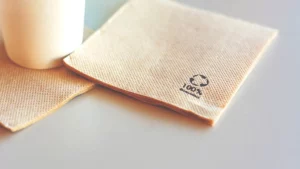
Recycled paper napkins not only serve a sustainable purpose but also enhance the visual appeal of food photography. Their unique textures and organic designs contribute to a more inviting atmosphere, creating a backdrop that elevates the presentation of dishes. The subtle variations in color and pattern inherent in recycled materials add depth and character, contrasting beautifully with vibrant food items. This conscious choice resonates with eco-aware audiences, fostering a sense of community among those who value sustainability. By incorporating recycled paper napkins, photographers can convey a message of environmental responsibility while simultaneously crafting visually stunning compositions. Embracing this eco-friendly option not only enhances aesthetic appeal but also aligns with a collective commitment to a more sustainable future. Why use recycled paper napkins? Because they embody both beauty and purpose.
Cost-Effectiveness of Recycled Materials in the Long Run
While many may initially perceive recycled paper napkins as a slightly higher upfront cost, a closer examination reveals their long-term financial benefits. By opting for recycled materials, businesses can reduce waste disposal fees and benefit from potential tax incentives related to sustainable practices. Furthermore, the durability of recycled napkins often translates to less frequent purchases, ultimately leading to cost savings. As consumer demand for eco-friendly products rises, utilizing recycled paper napkins can enhance brand reputation, attracting a loyal customer base that values sustainability. In this way, the question of “why use recycled paper napkins” becomes not just about environmental responsibility, but also about fostering a financially sound business model that resonates with a community committed to positive change.
Why Use Recycled Paper Napkins for a Greener Future in Food Styling
As the food styling industry increasingly embraces sustainability, the choice of materials plays a crucial role in shaping a greener future. Recycled paper napkins offer a practical solution for eco-conscious stylists seeking to minimize their environmental footprint. These napkins, made from post-consumer waste, reduce the demand for virgin materials and contribute to a circular economy. By opting for recycled options, food stylists align their practices with a vision of sustainability that resonates with a growing audience concerned about environmental impacts. Additionally, using recycled paper napkins enhances the aesthetic appeal of food photography, as they often boast unique textures and colors. Ultimately, the question of “why use recycled paper napkins” becomes clear: they are essential tools in fostering a responsible, sustainable food styling community.
Frequently Asked Questions
Are Recycled Paper Napkins Safe for Food Contact?
Recycled paper napkins are generally safe for food contact, provided they meet regulatory standards. They offer an eco-friendly alternative, reducing waste while promoting sustainability, aligning with the values of environmentally conscious consumers who seek responsible choices.
How Are Recycled Paper Napkins Made?
Recycled paper napkins are made by collecting used paper, shredding it, and blending it with water to create pulp. This eco-friendly process reduces waste and conserves resources, promoting a sustainable choice for environmentally conscious consumers.
Can Recycled Napkins Be Composted After Use?
Yes, recycled napkins can be composted after use, provided they are free from contaminants. This eco-friendly practice enriches soil and reduces landfill waste, encouraging a sustainable lifestyle that aligns with a growing community of environmentally conscious individuals.
What Colors and Designs Are Available for Recycled Napkins?
Recycled paper napkins are available in various colors and designs, including earthy tones, vibrant patterns, and elegant prints. These options allow individuals to express personal style while embracing sustainability, fostering a sense of community and eco-consciousness.
How Do Recycled Napkins Compare to Cloth Options?
Recycled napkins offer convenience and sustainability, while cloth options require more maintenance and resources. By choosing recycled paper napkins, consumers contribute to eco-friendliness, aligning with values of community and environmental responsibility in dining experiences.
Conclusion
Incorporating recycled paper napkins into food photography not only advances sustainability but also enriches the visual storytelling of culinary art. By embracing these eco-friendly alternatives, photographers can markedly reduce their environmental footprint while appealing to an increasingly conscious audience. This shift towards sustainable practices fosters a sense of community among creatives dedicated to a greener future. Ultimately, the use of recycled materials is an essential step in promoting environmental responsibility within the food styling industry.
You May Also Like To Read: